Trusted Law Firm: Experts in Nursing Home Abuse
Protecting the Vulnerable: How an Abuse Lawyer for Elders Can Make a Difference
Elder abuse is an ongoing and critical problem affecting countless vulnerable individuals. Identifying the warning signs is often difficult for families. A lawyer specializing in elder abuse offers critical guidance and assistance. They skillfully manage the challenges of the legal system, making certain that victims obtain the justice they are entitled to. Comprehending the role of these legal experts is crucial for families striving to defend their vulnerable family members. The next steps could be transformative.
Understanding Elder Abuse: Types and Signs
Recognizing elder abuse is essential for identifying its different manifestations and the indicators associated with them. Elder abuse may present itself in numerous forms, including physical, emotional, financial, and neglect. Physical abuse involves inflicting harm, such as striking or confining, while emotional abuse may include verbal insults or threats that undermine an elder's self-esteem. Financial abuse frequently involves the unlawful exploitation of an elder's assets or belongings, resulting in considerable monetary damage. Neglect, by contrast, happens when those responsible fail to deliver necessary assistance, causing worsening health conditions or dangerous circumstances. Warning signs of elder abuse may involve unexplained physical marks, unexpected behavioral changes, retreat from social engagement, and indications of poor nutrition or hygiene. Identifying these warning signs is essential for timely action and safeguarding, ensuring that vulnerable elders receive the care and respect they deserve. Education and awareness serve as the foundation for preventing and addressing elder abuse.
Ways an Abuse Attorney Can Assist Your Loved Ones
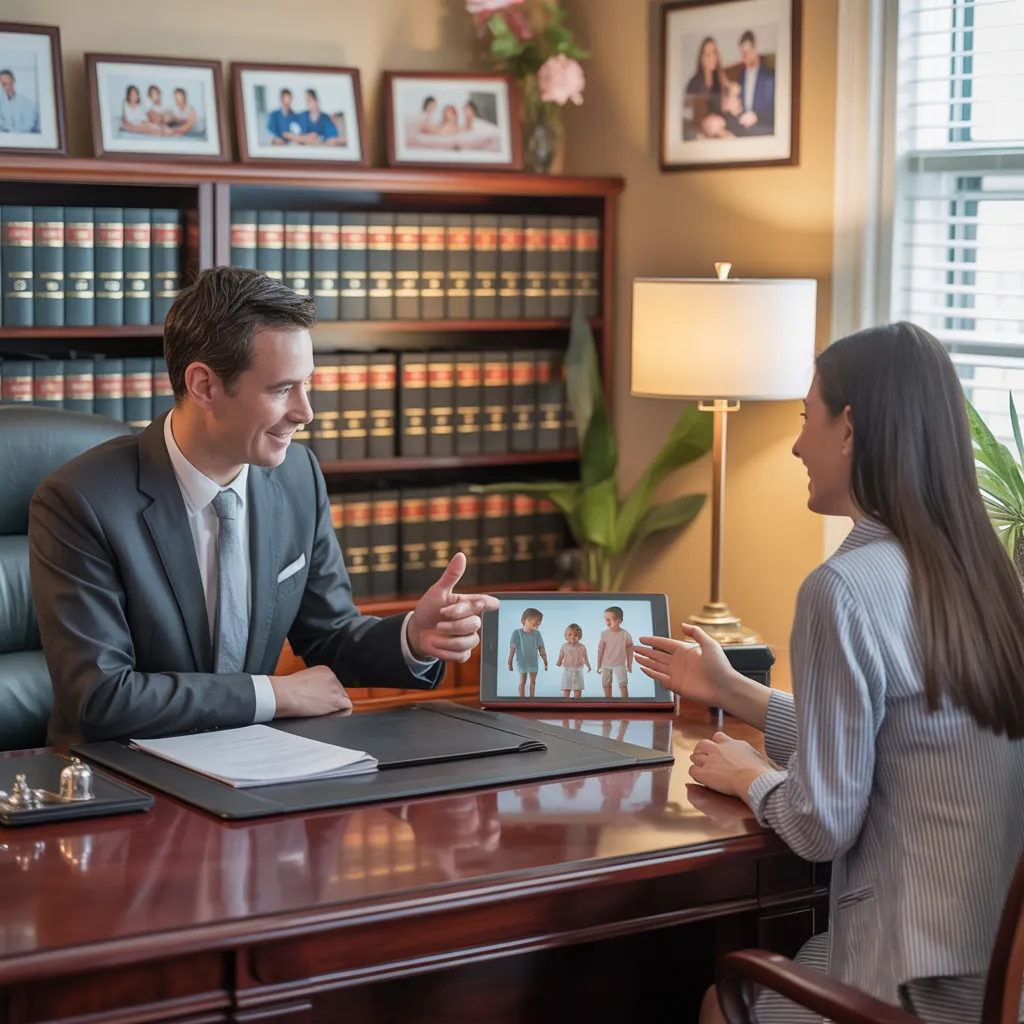
Dealing with the intricacies of elder abuse can be distressing for families. An abuse lawyer specializing in elder matters plays an essential role in guiding this challenging landscape. They deliver specialized support, enabling families to grasp the legal consequences of elder abuse and the appropriate actions to shield their loved ones. Through comprehensive examinations, these attorneys collect critical evidence to strengthen cases and champion the rights of at-risk individuals.
Furthermore, an abuse lawyer provides compassionate guidance, relieving many difficulties from concerned families during challenging times. They can also facilitate dialogue between family members and residential care facilities, ensuring that problems are handled promptly and effectively. In representing grieving families in negotiations or mediations, these legal professionals work to secure accountability and proper compensation for affected individuals. Ultimately, an abuse lawyer acts as a powerful advocate, empowering families to fight back against the mistreatment of seniors and safeguard their loved ones' safety and welfare.
Legal Remedies Available to Elder Abuse Victims
Those who suffer from elder abuse face various forms of mistreatment, each requiring specific legal responses. Recognizing the different forms of elder abuse is essential for pinpointing the most effective approach. Additionally, familiarizing oneself with reporting procedures can enable affected individuals and their families to pursue justice with confidence.
Kinds of Elder Abuse
Elder abuse presents itself in multiple forms, each creating unique difficulties for those affected. Physical abuse encompasses the use of physical force, resulting in injury or pain. Emotional abuse, commonly disregarded, involves verbal assaults and psychological manipulation, resulting in psychological damage. Financial exploitation occurs when individuals misuse an elder's funds or assets, frequently through deceptive means. Neglect is another significant form, characterized by the failure to provide essential care, causing elders to remain vulnerable and suffering. Sexual abuse, while less commonly reported, proves equally destructive and involves acts without consent. Comprehending these categories of abuse is vital for identifying victims and guaranteeing they obtain the required legal support and protection. An abuse lawyer for elders plays an important role in addressing these diverse issues effectively.
Understanding Reporting Procedures
Navigating the complexities of reporting elder abuse can be intimidating, yet understanding the steps involved is essential for ensuring justice. Affected individuals or bystanders should first record the details of the abuse, including specific dates, times, and detailed descriptions. Next, they can report the abuse to local authorities, such as adult protective services or law enforcement. Every state enforces specific reporting laws, especially for those working in professional caregiving capacities. Seeking guidance from an abuse attorney can provide direction through the complexities of the legal system, including potential civil claims against perpetrators. Additionally, victims may consider pursuing protective orders or criminal charges. Gaining a thorough understanding of these steps not only empowers victims but also plays a critical role in preventing further abuse in vulnerable communities.
Selecting the Best Abuse Attorney for Your Family
Finding the appropriate abuse lawyer for a relative dealing with elder abuse is critical. Essential aspects to evaluate include the counsel's expertise in elder abuse situations, their aptitude for communicate with compassion, and a proven track record of achieving positive outcomes. Such considerations can substantially affect the resolution of the case and the overall condition of the affected individual.
Knowledge of Elder Abuse Issues
How can families ensure they select the most competent abuse attorney when confronted by elder abuse cases? Experience is a critical factor in this selection process. Families are encouraged to find attorneys with a well-established record of achievement in elder abuse cases, as understanding of the unique legal intricacies can significantly influence case outcomes. Families should ask about the counsel's prior cases, emphasizing their achievements and the forms of elder abuse they have addressed, such as bodily, emotional, or financial mistreatment. Moreover, recognizing the counsel's strategy to such nuanced situations can reveal valuable information about their proficiency. By valuing experience, families can improve their likelihood of securing justice for their loved ones while guaranteeing that their matter is handled with the highest level of skill.
Compassionate Communication Skills
In addition to experience effective communication abilities are crucial when hiring an attorney for cases involving elder abuse. An attorney who can relate to both the aging victim and their family members creates a supportive environment. This type of attorney listens actively, validating emotions and concerns while providing clear explanations of legal processes. Such communication cultivates rapport, allowing families to feel comfortable sharing sensitive information. Additionally, a compassionate lawyer helps handle the often daunting legal landscape with care and compassion. This approach not only alleviates the emotional weight on loved ones but also improves the legal professional's effectiveness in advocacy. In the end, choosing an legal representative with effective interpersonal skills can significantly influence the complete journey for victims and their families.
Demonstrated Track Record
A proven success record can markedly influence the selection process when families seek an legal advocate for elderly abuse matters. Many families search for attorneys with a history of winning cases and securing justice for their loved ones. Skilled legal advocates exhibit not only their legal expertise but also their resolve to stand up for elderly individuals in need. Indicators including favorable settlements, trial victories, and client testimonials serve as critical indicators of an attorney's competence. Moreover, a strong track record can study give loved ones assurance that their selected attorney possesses the necessary skills and experience to manage intricate legal matters. In the end, selecting a lawyer with a track record of achieving results can significantly influence the resolution of elderly abuse matters, ensuring that justice is served.
How Advocacy Makes a Difference for Elder Abuse Victims
While numerous elder abuse victims stay silent out of fear or shame, advocacy fulfills a critical role in shedding light on their pain. Advocates serve as a meaningful voice for those affected, highlighting their rights and raising awareness about elder abuse. By highlighting the often-overlooked issues faced by seniors, advocacy initiatives work to break down the stigma associated with victimization.
Moreover, advocacy creates safer conditions for senior citizens by campaigning for policy reforms and better protections. It cultivates a feeling of community, empowering victims to come forward and obtain support. This support can lead to increased reporting of abuse, which is vital for identifying and addressing systemic challenges.
Ultimately, the contributions of support workers strengthens survivors, giving them the tools and assurance needed to rebuild their futures. Their dedication not only support individual recovery but also advance a greater societal commitment to defending at-risk individuals against harm.
Vital Resources for Families Affected by Elder Abuse
Families confronting elder abuse often feel overwhelmed and uncertain about the next steps to take. Utilizing important resources can deliver critical guidance and much-needed support. Organizations such as the National Center on Elder Abuse (NCEA) offer extensive information, including signs of abuse and ways to report incidents. Regional adult protective services (APS) are available to help investigate claims and offer immediate assistance.
Legal assistance is vital; consulting with an abuse lawyer specializing in elder law can help clarify available rights and options. Furthermore, both in-person and online support groups, provide families with opportunities to connect with others in comparable situations, cultivating a supportive community and shared sense of belonging.
Hotlines, such as the Elder Abuse copyright, deliver 24/7 support, allowing families to get assistance at any time. By utilizing these resources, families can navigate the challenges of elder abuse more effectively, securing the protection and welfare of their elderly relatives.
Questions Our Clients Often Ask
What Are the Financial Expenses Associated with Hiring an Elder Abuse Lawyer?
Retaining an elder abuse lawyer typically incurs costs ranging from $150 to $500 per hour, based on the attorney's expertise and geographic area. Some may offer contingency fees, charging a percentage of any recovered damages instead.
How Long Does the Legal Process Typically Take for Elder Abuse Cases?
The legal proceedings for cases involving elder abuse usually extends across several months to a few years, based on the complexity of the case, the level of cooperation among involved parties, and the scheduling of the court. Every case differs significantly.
Is It Possible to Pursue Elder Abuse Cases Without Physical Evidence?
Absolutely, cases involving elder abuse can move forward in the absence of physical evidence. Financial records, testimonies, and behavioral changes can support claims, making legal action possible even when tangible proof of abuse is absent, highlighting the complexity of such cases.
What Part Do Family Members Have in the Legal Process?
Family members commonly function as crucial witnesses in cases of elder abuse, supplying critical testimony and documentation. Their participation can assist in establishing patterns of behavior, support claims, and advocate for the elder's rights and well-being across the legal process.
Can Families Dealing With Elder Abuse Find Support Groups?
Indeed, many support groups can be found for families dealing with elder abuse, offering resources, guidance, and emotional support. These groups foster a sense of community, supporting families through their challenges and exchange experiences in a secure and welcoming environment.